Introduction
In today's globalized job market, acknowledging expert achievements is more important than ever. With an increasing variety of people pursuing professions across borders, understanding how to evaluate work experience can significantly impact employment opportunities. Recognizing Expert Achievements through Work Experience Evaluations is necessary for verifying skills and experiences got internationally. This post intends to check out the components and significance of work experience examinations and their crossway with scholastic credential evaluations.
Understanding Work Experience Evaluations
What is a Work Experience Evaluation?
A work experience evaluation assesses a person's expert accomplishments and competencies. It provides a structured evaluation of the skills gotten through different functions in different organizational settings.
Why Are Work Experience Examinations Important?
- They bridge the gap in between formal education and useful application. They aid employers comprehend a prospect's abilities beyond scholastic credentials. They help with smoother transitions for individuals looking for work abroad.
The Role of International Credential Assessment Services
International credential assessment services play a pivotal role in verifying certifications gotten outside one's home country. These services evaluate educational files, consisting of degrees, diplomas, and transcripts.
Types of Credential Evaluations Offered
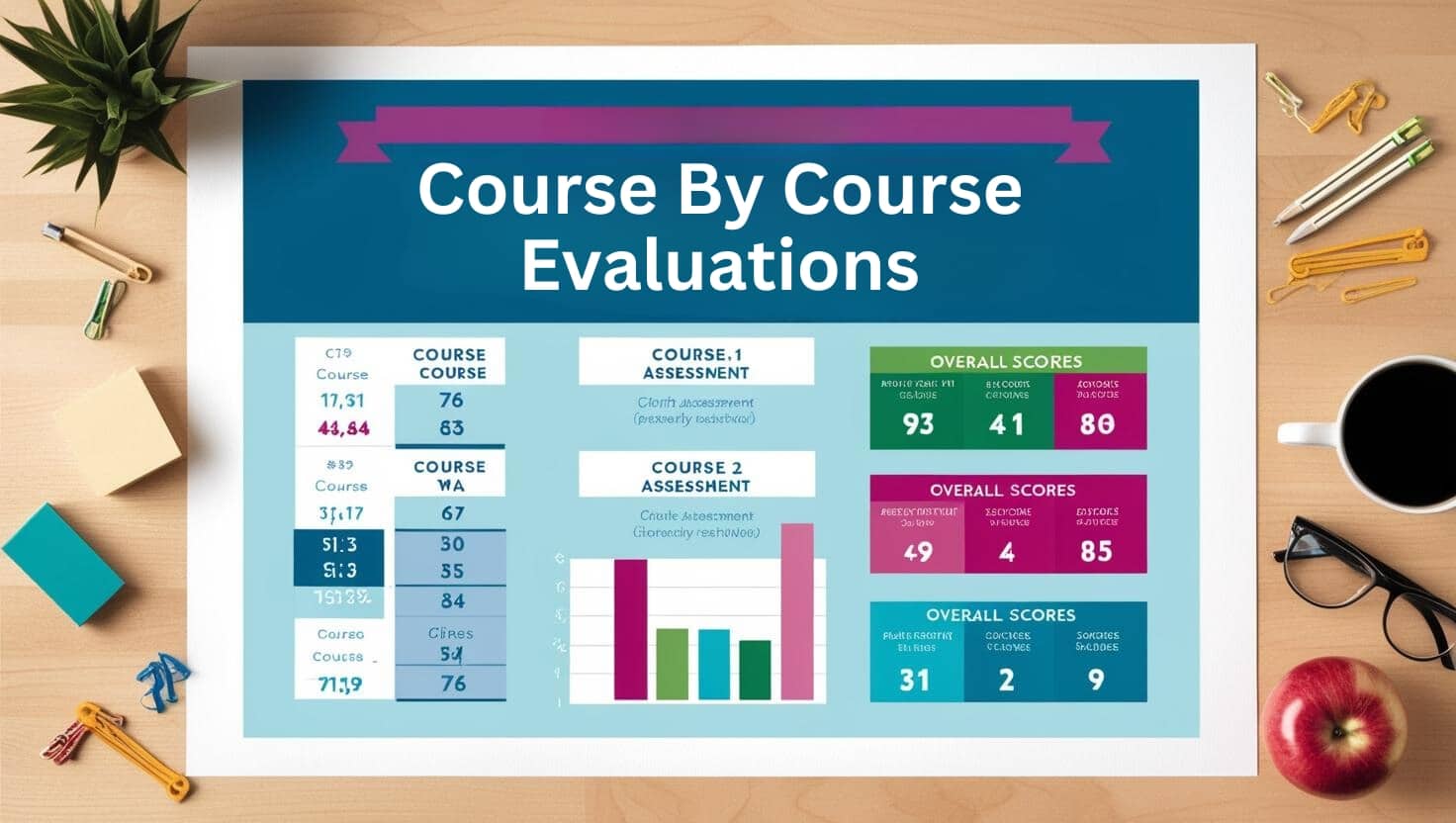
Course-by-Course Credential Evaluation- Provides an in-depth breakdown obviously taken and grades received. Useful for more academic pursuits or professional licensing.
- Offers a total evaluation of instructional qualifications. Commonly needed by employers or migration authorities.
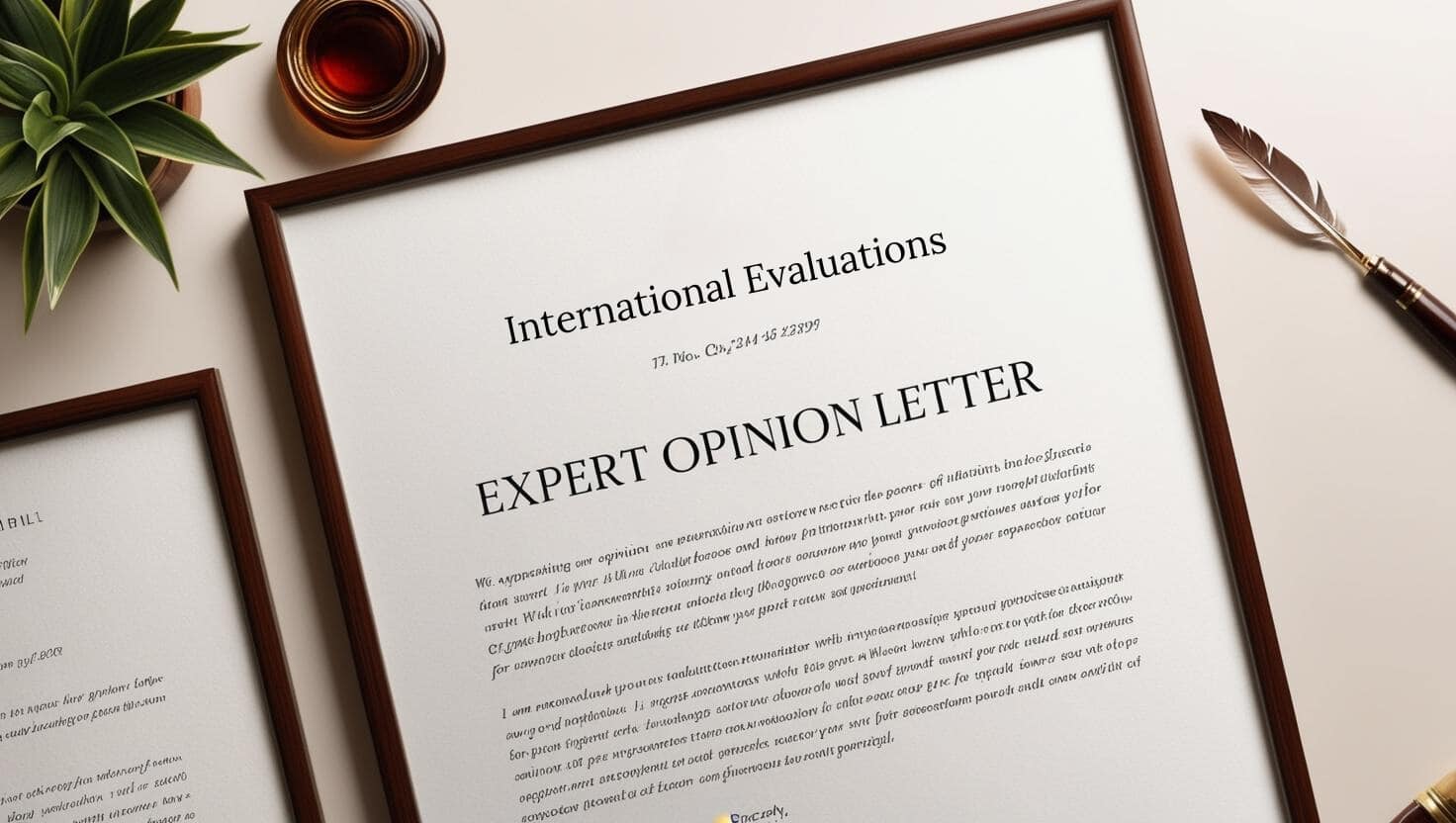
- An official letter from experts attesting to a person's qualifications. Often used in legal circumstances or when applying for specific jobs.
The Process of Performing Work Experience Evaluations
Step 1: Collecting Documentation
To start a work experience assessment, candidates must compile pertinent documents that validates their previous employment. This might include:
- Employment letters Job descriptions Performance reviews Pay stubs
Step 2: Picking an Examination Service
Choosing the best evaluation service is essential for making sure trustworthiness. Elements to think about consist of:
- Accreditation Reputation within the industry Specialization in specific fields
Step 3: Submission and Assessment
Once documentation is collected and an assessment service picked, prospects submit their materials for review. The evaluation generally includes:
- Verification of employment history Analysis of task duties and achievements Comparison against market standards
Benefits of Acknowledging Expert Achievements
Enhancing Profession Opportunities
One significant benefit of recognizing expert accomplishments through examinations is improved career potential customers. Companies are frequently more likely to hire candidates who can validate their skills with reputable evaluations.
How Do Companies Take advantage of Evaluations?
Employers make use of examinations to:
Identify appropriate candidates who possess pertinent experience. Make informed choices regarding promotions or raises. Ensure compliance with market regulations when working with foreign workers.
Facilitating Skill Recognition Across Borders
As globalization continues to form the labor force, it ends up being increasingly essential to acknowledge skills acquired internationally. Work experience evaluations help highlight these abilities in context, making them understandable to local employers.
Examples of Ability Acknowledgment Success Stories
Many professionals have effectively transitioned into brand-new roles after undergoing work experience evaluations, showcasing how these assessments can lead to fulfilling careers.
Challenges Faced in Work Experience Evaluations
Misinterpretation of International Credentials
One typical difficulty includes misinterpreting worldwide certifications due to differences in instructional systems throughout countries. Examination services aim to reduce this issue by offering detailed analysis reports.
Variability in Industry Standards
Different markets may have varying expectations concerning what constitutes appropriate experience or certifications. This irregularity can make complex assessments unless there's a clear understanding between evaluators and companies about requirements within the field.
Case Studies: Success Through Evaluations
Case Research study 1: Maria's Journey from Spain to Canada
Maria, an IT professional from Spain, faced difficulties securing a job in Canada regardless of her comprehensive experience due to unfamiliarity with regional practices. After obtaining a course-by-course credential examination along with a work experience assessment highlighting her essential jobs, she successfully landed her dream position at a tech firm.
Case Research study 2: Ahmed's Transition into Nursing
Ahmed moved from Pakistan with several years as a registered nurse however struggled with acquiring licensure in the United States till he availed himself of international credential examination services that acknowledged his credentials properly based on U.S standards, allowing him entry into nursing practice stateside.
Frequently Asked Questions (Frequently asked questions)
What Is Associated with Academic Credential Evaluation?
Academic credential examination includes examining educational files such as degrees and transcripts from non-U.S organizations against U.S requirements to determine equivalency.
How Does Course-by-Course Credential Examination Differ from Comprehensive Evaluation?
A course-by-course credential assessment provides detailed insights into private courses taken throughout studies while extensive assessment offers an overview without focusing on the specifics of each course.
Can I Use Work Experience Assessments for Immigration Purposes?
Yes! Many migration authorities accept work experience evaluations as part of their application requirements to develop evidence of expert skills got overseas.
Are Expert Viewpoint Letters Required for All Job Applications?
While not always necessary, professional opinion letters can improve your application by offering third-party confirmation https://canvas.instructure.com/eportfolios/3927926/home/expert-point-of-view-letter-foreign-level-and-experience-evaluation of your skills or qualifications when necessary.
How Long Does It Take to Get an Evaluation?
The time frame differs depending upon the provider but typically ranges from 2 weeks approximately several months based upon intricacy associated with assessing documents accurately.
What Must I Do If My Qualifications Are Not Recognized?
If your qualifications are not acknowledged adequately after an evaluation procedure, think about seeking advice from directly with possible employers about alternative ways they could validate your experiences or pursue additional accreditations if needed!
Conclusion
Recognizing Professional Accomplishments through Work Experience Evaluations acts as an essential system for individuals aiming to verify their proficiency across borders efficiently. By leveraging international credential assessment services alongside comprehensive evaluations of work history, experts can navigate worldwide profession difficulties more seamlessly than ever before-- unlocking opportunities that may have previously appeared out of reach! By understanding both the procedures involved and benefits gained from these examinations, you can place yourself positively within today's competitive job landscape-- and take positive strides toward achieving your career aspirations!